
Introduction
YouTube Go was introduced by Google as a lightweight version of the YouTube app, designed specifically for users in regions with limited internet access or slower connections. Launched in 2016, it addressed the challenges of data consumption and offered offline viewing, allowing users to download videos and share them without requiring a constant internet connection. YouTube Go played a significant role in expanding access to video content for millions of users in emerging markets, where data costs and poor connectivity were major barriers.
Key Features of YouTube Go
1. Offline Video Downloads
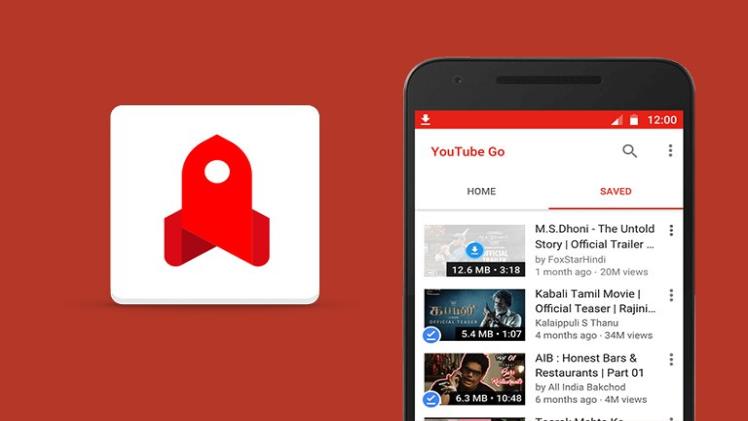
One of YouTube Go’s standout features was the ability to download videos directly to a device for offline viewing. Users could watch content later without needing an internet connection, making it ideal for areas with intermittent connectivity or expensive data plans. This feature also allowed users to avoid buffering during playback, improving the overall experience.
2. Data Usage Control
YouTube Go enabled users to control their data usage by offering different video quality options before downloading or streaming a video. Users could choose between Basic, Standard, or High-quality resolutions based on their preferences and data availability. The app also displayed how much data each option would consume, allowing users to make informed choices.
3. Video Sharing Without Internet
Another innovative feature was the ability to share videos with nearby friends and family via Bluetooth. This allowed users to transfer videos from one device to another without consuming additional data or requiring internet access. This peer-to-peer sharing was particularly useful in areas with limited connectivity.
4. Small App Size
The YouTube Go app was designed to take up minimal space on devices, making it ideal for smartphones with limited storage. The lightweight nature of the app also ensured it ran smoothly on entry-level devices, which are common in developing markets.
5. Regional Language Support
To cater to diverse audiences, YouTube Go supported multiple regional languages. Users could browse, search, and interact with content in their native languages, enhancing accessibility for non-English-speaking users.
Target Audience and Impact
1. Users in Emerging Markets
YouTube Go was initially rolled out in countries like India, Indonesia, Nigeria, and Brazil, where internet access was limited and data costs were high. The app aimed to bridge the digital divide by making video content accessible to millions who previously had limited interaction with online videos.
2. Education and Entertainment in Rural Areas
With its offline viewing and data-efficient features, YouTube Go became a valuable tool for students and educators in rural areas. It allowed educational videos to reach regions with minimal internet access, empowering students and teachers to access knowledge and resources. Similarly, the app provided entertainment content to users who couldn’t afford regular data consumption on traditional YouTube.
Comparison with the Main YouTube App
| Feature | YouTube Go | YouTube |
|---|---|---|
| Offline Downloads | Available | Available (with YouTube Premium) |
| Data Control | Detailed control for every video | Limited control |
| App Size | Lightweight (~10 MB) | Larger and feature-rich |
| Video Sharing | Bluetooth sharing without internet | Not available |
| Regional Language Support | Extensive | Available but less emphasized |
While both apps offered access to YouTube’s vast video library, YouTube Go prioritized functionality over additional features like live chat, comments, and video recommendations. In contrast, the main YouTube app provided a more immersive experience with advanced features like playlists, comments, and community interaction.
Challenges and Limitations
Despite its many benefits, YouTube Go had a few limitations:
- Limited Features: The app lacked some advanced features found in the main YouTube app, such as video recommendations, live streaming, and the ability to comment on videos.
- Restricted Availability: YouTube Go was primarily available in select countries, limiting its accessibility in regions where it could have also been beneficial.
- Video Quality: While the app offered control over data usage, the lower resolution options sometimes compromised video quality, reducing the visual experience.
The Discontinuation of YouTube Go
In 2022, Google announced the discontinuation of YouTube Go, phasing it out by August that year. The company cited improvements in the primary YouTube app’s performance on low-end devices and its ability to work efficiently on slow networks as reasons for retiring YouTube Go. Google encouraged users to switch to the main YouTube app, which had been optimized to include many features previously unique to YouTube Go, such as offline viewing and better data control.
Legacy and Lessons Learned
Although YouTube Go was discontinued, its impact was significant, especially in emerging markets. It demonstrated the importance of designing apps tailored to the needs of users with limited access to technology. The success of YouTube Go inspired other developers to create lightweight versions of popular apps, such as Facebook Lite and Google Go, making the internet more inclusive.
The app also highlighted the growing demand for offline capabilities, even as the world moves towards greater connectivity. YouTube Go’s features reflected a clear understanding of user behavior in regions with infrastructural challenges, setting an example for future applications designed for global accessibility.
Conclusion
YouTube Go played a crucial role in bringing video content to millions of users who were previously excluded due to high data costs and limited connectivity. Its lightweight design, offline viewing capabilities, and data-saving features made it a practical solution for people in emerging markets. Although the app has been discontinued, the lessons it provided about accessibility, efficiency, and user-centric design will continue to influence the development of future digital products.
In the end, YouTube Go was more than just a stripped-down version of YouTube – it was a symbol of innovation, bridging the gap between technology and accessibility, and helping connect people through the power of video content, regardless of their circumstances.
