
Agriculture has always been the backbone of India’s economy, yet it faces persistent challenges such as fragmented supply chains, lack of timely access to resources, and fluctuating market prices. In this context, DeHaat, a rapidly growing agritech startup, has emerged as a game-changer for farmers. By leveraging technology and innovation, DeHaat bridges the gap between smallholder farmers and various stakeholders in the agricultural ecosystem, providing end-to-end solutions to empower farmers and improve agricultural productivity.
This article delves into the journey, business model, impact, and future prospects of DeHaat.
The Genesis of DeHaat
DeHaat, which means “village” in Hindi, was founded in 2012 by a group of visionaries, including Shashank Kumar, Amrendra Singh, and Adarsh Srivastava, with the mission of transforming the rural agricultural landscape in India. The startup was conceived to address the inefficiencies in the agricultural supply chain and provide smallholder farmers with a platform to access inputs, advisory services, and markets.
From its humble beginnings in Bihar, DeHaat has grown to become one of the most prominent agritech startups in India, impacting the lives of millions of farmers across multiple states.
DeHaat’s Business Model and Services
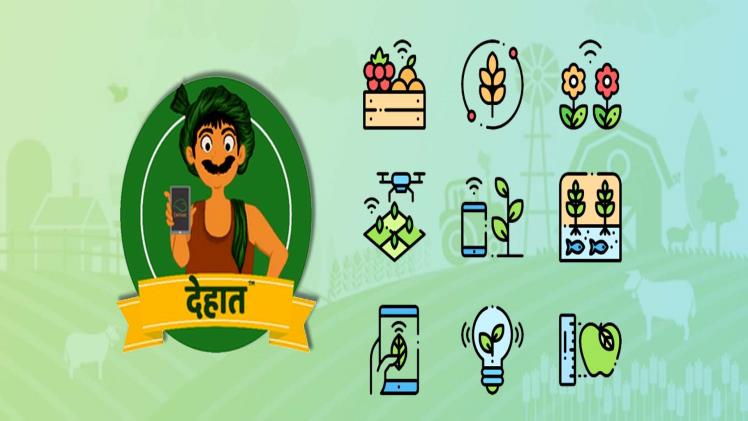
DeHaat operates as an integrated platform offering end-to-end agricultural solutions to farmers. Its business model revolves around the following core components:
1. Access to Quality Inputs
DeHaat connects farmers with suppliers of seeds, fertilizers, pesticides, and other agricultural inputs. By partnering with leading agri-input manufacturers, DeHaat ensures the availability of high-quality products at competitive prices, addressing a critical need for farmers.
2. Advisory Services
The platform provides personalized crop advisory services to farmers using data-driven insights and expert recommendations. These services include:
- Crop Planning: Guidance on crop selection based on soil type, weather conditions, and market demand.
- Pest and Disease Management: Real-time advice on tackling pests and diseases, minimizing crop losses.
- Weather Updates: Accurate weather forecasts to help farmers make informed decisions about irrigation and fertilization.
3. Market Linkage
DeHaat connects farmers directly to buyers, including wholesalers, retailers, and food processors, enabling them to get better prices for their produce. This eliminates middlemen, ensuring fair remuneration for farmers while reducing costs for buyers.
4. Financial Support
Through partnerships with financial institutions, DeHaat provides farmers with access to credit, insurance, and other financial services. These offerings help farmers manage risks and invest in better agricultural practices.
5. Technology-Driven Solutions
DeHaat uses advanced technologies such as artificial intelligence (AI), machine learning (ML), and big data analytics to provide precision agriculture solutions. The company’s mobile app acts as a one-stop hub for farmers to access all its services.
Impact on Indian Agriculture
1. Empowering Farmers
DeHaat has transformed the lives of over 1.5 million farmers by providing them with tools, resources, and knowledge to increase their productivity and profitability. By reducing the dependence on intermediaries, farmers earn higher incomes and gain more control over their agricultural practices.
2. Reducing Supply Chain Inefficiencies
Through its integrated approach, DeHaat has streamlined the agricultural supply chain, ensuring timely delivery of inputs and quick access to markets for farm produce. This has reduced wastage, improved resource utilization, and enhanced overall efficiency.
3. Promoting Sustainable Farming
DeHaat encourages farmers to adopt sustainable agricultural practices, such as precision farming and organic cultivation. This not only improves soil health and crop yields but also contributes to environmental conservation.
4. Bridging the Digital Divide
By leveraging technology, DeHaat has brought digital transformation to rural areas, enabling farmers to access critical information and services through user-friendly platforms.
Growth and Milestones
Since its inception, DeHaat has achieved significant milestones:
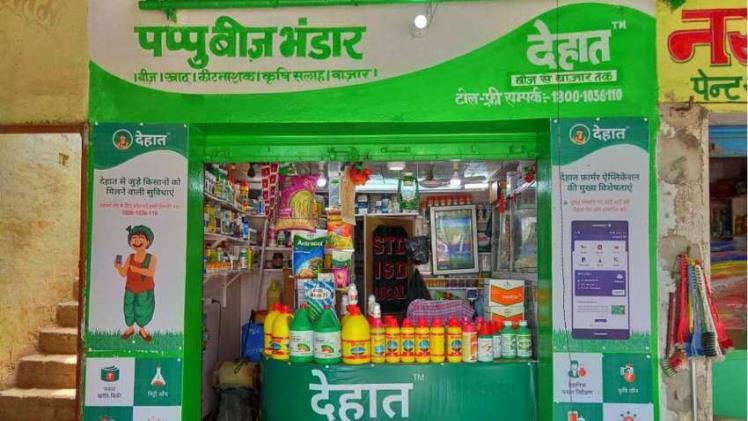
- Expansion: From a small-scale initiative in Bihar, DeHaat now operates in states such as Uttar Pradesh, Odisha, West Bengal, and Madhya Pradesh. It has a growing network of over 3,000 micro-entrepreneurs who act as last-mile service providers for farmers.
- Funding: DeHaat has raised substantial funding from global investors, including Accel Partners, Omnivore, Sequoia Capital, and Prosus Ventures. Its latest funding round in 2022 raised over $115 million, boosting its valuation and enabling further expansion.
- Awards and Recognition: DeHaat has been recognized as one of the most innovative agritech startups globally, winning accolades for its contributions to rural development and agricultural transformation.
Challenges and Solutions
Despite its success, DeHaat faces challenges such as:
- Scalability: Expanding operations to new regions requires significant investments in infrastructure and human resources.
- Farmer Awareness: Educating farmers about the benefits of using technology and accessing advisory services can be a time-intensive process.
- Fragmented Market: India’s agricultural sector is highly fragmented, with variations in practices and market dynamics across regions.
DeHaat addresses these challenges by:
- Strengthening partnerships with local organizations and governments.
- Investing in robust technology infrastructure to scale operations efficiently.
- Conducting farmer training programs to build awareness and trust.
Future Prospects
DeHaat is poised for exponential growth as it continues to expand its footprint and enhance its offerings. Key areas of focus for the future include:
- Geographical Expansion: DeHaat aims to reach 10 million farmers by 2025, extending its services to more regions across India and exploring international markets.
- Innovation: The company plans to integrate advanced technologies like IoT and blockchain into its platform to improve traceability and transparency in the agricultural value chain.
- Sustainability: DeHaat will continue promoting eco-friendly farming practices and renewable energy solutions to support sustainable agriculture.
- Strategic Collaborations: Partnerships with government bodies, research institutions, and tech companies will help DeHaat scale faster and innovate further.
Conclusion
DeHaat represents a beacon of hope for Indian agriculture, addressing long-standing challenges through technology, innovation, and collaboration. Its farmer-centric approach has not only improved the livelihoods of millions but also contributed to the overall development of rural India. As DeHaat continues to grow and evolve, it is set to redefine the agricultural landscape, empowering farmers and making Indian agriculture more efficient, sustainable, and prosperous.
