
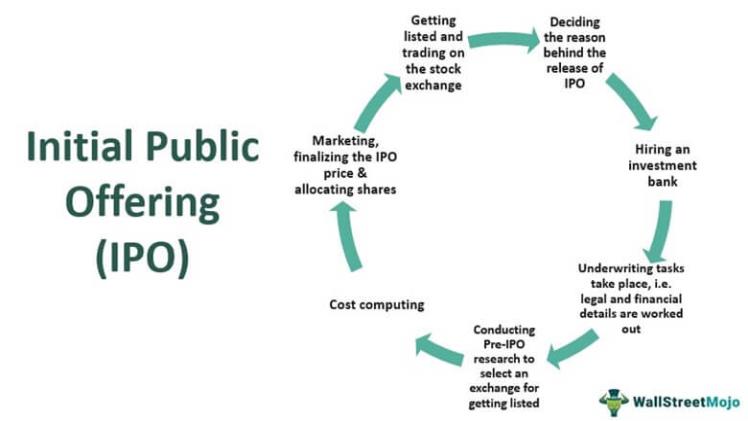
Are you curious about how a company goes public? What happens behind the scenes during an Initial Public Offering (IPO)? For those new to investing, bringing a company to the stock market may seem complex, but it follows a clear structure. Understanding the key stages can help you better navigate opportunities and risks. Let’s explore the essential steps involved in making a company public.
Preparing for an IPO: Laying the Groundwork
Before a company can reach the stage where investors check their IPO allotment status. But what exactly happens during this phase? It’s more than just announcing the intention to go public. The company must ensure its financials and business structure are strong enough to attract potential investors. The goal is to present a transparent and reliable company that will appeal to the market. Without this foundational preparation, an IPO could be risky for the company and future investors.
This stage typically includes:
- Auditing financial statements
- Reviewing business operations and strategies
- Ensuring compliance with regulatory standard
Filing the Registration Statement
To officially start the IPO process, a company must file a registration statement with the Securities and Exchange Commission (SEC), often called the S-1 filing. This critical document provides detailed information about the company’s financial health, plans, and the risks involved in investing. It allows potential investors to assess the company’s value and understand how the funds raised will be used. This step is essential for transparency, as it offers the public a clear view of the company’s operations, helping investors make informed decisions about whether to invest.
The Roadshow: Marketing the IPO
How does a company generate interest in its IPO? Once the registration statement is filed, the company embarks on a roadshow. This stage involves presenting the company to institutional investors, fund managers, and analysts to generate excitement and demand for the stock.
During the roadshow, company executives explain:
- The company’s business model and competitive strengths
- How the money will be utilized to expand the company
- Why the company is a solid investment opportunity
IPO Allotment and Pricing
What determines the price of the stock when it goes public? Once the roadshow is complete, the company works with underwriters to set a final offer price for the shares. This price is based on demand during the roadshow and various market factors.
The key things to understand about this stage are:
- The higher the demand, the higher the offer price is likely to be
- The underwriters play a significant role in determining the right balance between supply and demand
Following the pricing, the next step is the IPO allotment. Investors who have subscribed for shares wait for their IPO allotment status to see how many shares they will receive. This step can be exciting and nerve-wracking, as not all applicants may get the shares they applied for, depending on demand.
Monitoring Your IPO Allotment Status
What happens after the shares are priced? Once the shares are allotted, investors need to check their allotment status. This status will tell you whether your subscription was successful and how many shares you’ve been allotted. Remember that in oversubscribed IPOs, you may receive fewer shares than you requested. Checking it is essential, as it gives you insight into your next steps as an investor. If your subscription is unsuccessful, you can use that information to refine your investment strategy for future IPOs.
Understanding the critical stages of an IPO helps investors feel more confident when subscribing. However, while this process may seem straightforward, it’s essential to remember that investing in an IPO always carries risks. Being informed about the entire journey, including checking your IPO allotment status, allows you to make better decisions during subscription and throughout your overall investment strategy. So, the next time you see an exciting new company about to go public, you’ll be ready to evaluate the opportunity with a deeper understanding of the process.
