
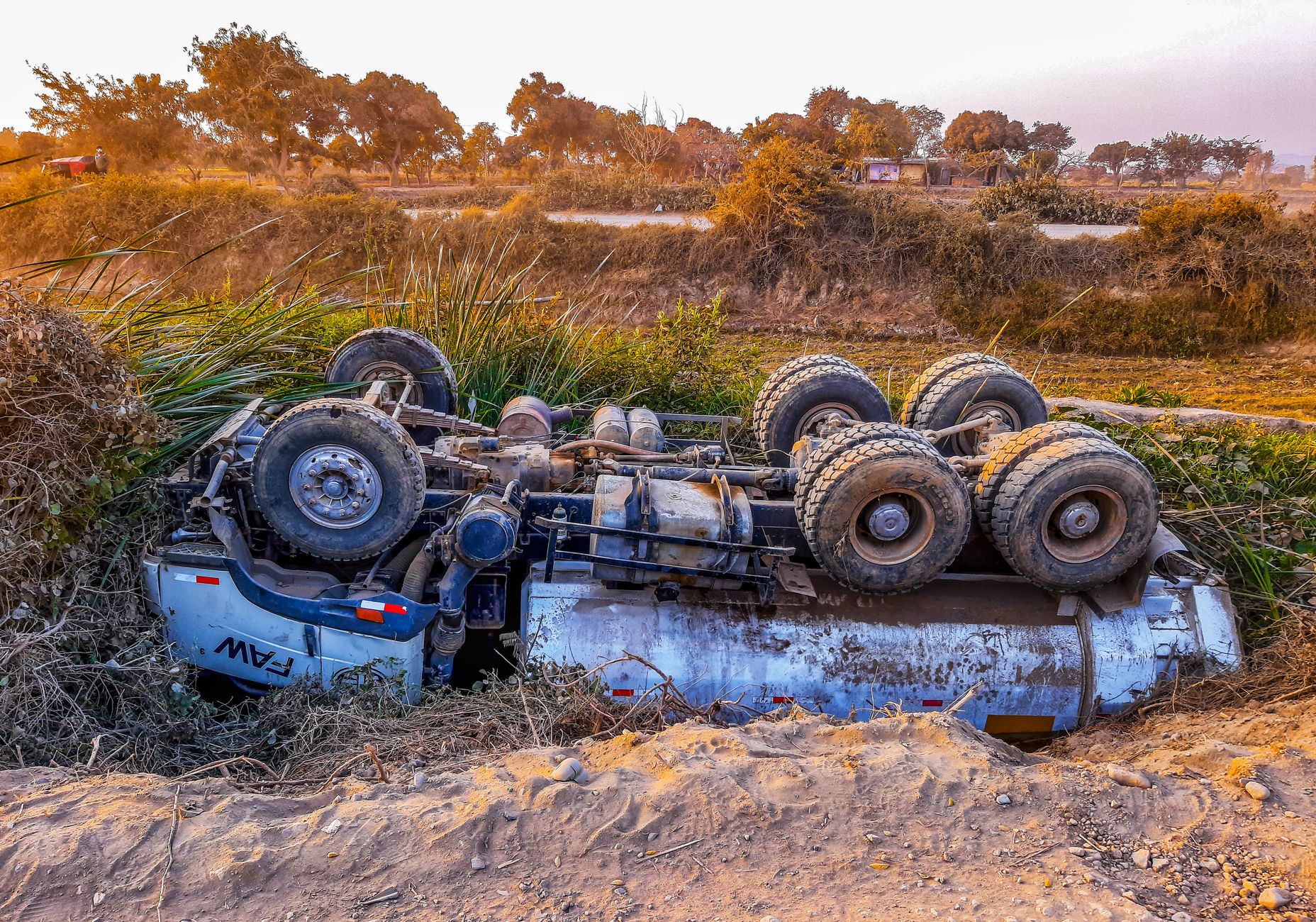
A truck crash may transform a person’s life in seconds. Victims might be left with painful injuries, lost pay, expensive care, and months of stress. When a crash in Washington, DC, occurs, the cause of the crash matters. Truck accidents usually involve more than one individual or corporation. A driver may have made a bad decision or a trucking company may have not followed safety regulations. Sometimes they both are to blame. Knowing about driver and corporation carelessness might help wounded persons recognize their rights. It also helps kids understand what facts might back up a position.
What is Negligence in a Trucking Accident?
Negligence is when someone does not use reasonable care and causes injury to another. That failure could be by a driver , a trucking firm , or someone else . In a truck crash , consider the case of a truck driver in a hurry through traffic, who may endanger other road users. A corporation that skims on safety checks might potentially be a factor in a crash. To successfully file a truck accident claim, an injured individual normally has to establish four things:
- The party at blame has a duty to use reasonable care.
- This party has not fulfilled this duty.
- The failure was a factor in the crash or injuries.
- The injured person suffered damages such as medical bills or loss of income.
Every case is fact-specific. Photos, witness testimony, driver logs and data from the vehicle may help determine what went wrong.
How Can Truck Drivers Cause an Accident?
Truck drivers drive enormous trucks that need more time and room to stop. One bad choice might result in serious harm, especially on the congested streets and freeways of DC. Some common forms of driver irresponsibility include:
Speeding: A loaded truck takes a long time to slow down. Driving too quickly for traffic, road maintenance or severe weather might cause an accident.
Distracted driving: Drivers who take their eyes off the road to look at phones or change a route may react more slowly.
Driver fatigue: Long periods of driving can decrease concentration and decision making. Federal restrictions restrict how long many commercial truck drivers can drive.
Dangerous lane changes: Large vehicles have blind areas. A driver who doesn't monitor for traffic around him could hit a car or motorcycle.
Too close toward the back: Most automobiles don’t need as much space to stop as trucks do. Tailgating leaves you less time to react to an emergency stop.
Driving under the influence: Alcohol and drugs can damage your balance, concentration and judgment. Driving a commercial vehicle while under the influence is dangerous.
A driver can potentially cause a crash by turning too wide, running a light, or failing to yield. What matters is connecting the dangerous act to the collision and the damage.
When Can a Trucking Company Be Held Liable?
Even if the driver was driving, a trucking business could share the culpability. There are responsibilities of employers and fleet owners for hiring, training, vehicle maintenance and safe work practices. The company may be negligent in the following ways:
- Poor hiring checks: Hiring a driver without proper checks could pose a safety concern.
- Poor training: Drivers require training on safe turns, braking, blind spots and load limitations.
- Unsafe work demands: Drivers may be encouraged to speed or skip rest periods when they are pushed to reach unreasonable goals.
- Poor truck maintenance: Worn brakes, bare tires and faulty lights all increase the chance of a crash.
- Bad cargo loading: Loose or unevenly loaded cargo can shift, upset the balance or spill out into the roadway.
- Disregarding safety records: A firm can be held liable if it knowingly ignores dangers or fails to address harmful practices.
Federal motor carrier safety regulations include driver hours, vehicle maintenance and certifications of commercial drivers. It is contingent upon the vehicle, the trip and the kind of job. A company’s records can be helpful to indicate if it has carried out its obligations. Still, the driver’s behaviors are significant, but they may not reveal the complete story.
Who Can Be Sued
Truck accident claims might involve multiple parties. If both the trucking firm and driver contributed to the crash, both may be held liable. Other parties may be to blame. Faulty work can make a repair business liable, while dangerous loading can make a cargo firm liable. A truck owner, component manufacturer or another driver could be involved as well. Finding each party is important since it may alter whether insurance coverage may cover the loss. It can also help keep a claim from being confined to one side of the incident. However, a firm is not inherently liable for every crash involving its truck. Liability is a question of fact, of relationship, of law.
What Evidence is Helpful to Prove Negligence?
Crash evidence can be lost or destroyed. Quick action can help preserve records that can explain what happened. Useful proof would be:
- Photos and footage from the crash site, damage to cars and road signs.
- Names and addresses of witnesses.
- Police reports and medical records .
- Truck inspection and repair logs.
- Work hour records and driver logs.
- Electronic data from the truck, if available.
- Company mails, training logs, shipping records.
Some records may be held by the trucking company or other businesses. A lawyer may send a preservation request prior to the loss or alteration of evidence. Injured persons should see a doctor and follow the doctor's treatment plan. They should save bills, wage records and notes on how the injury impacts their daily lives. These documents assist establish the amount of damage from the crash.
What To Do After A Truck Crash In DC?
Your safety is our priority. If someone is injured or the crash is an immediate threat, call 911. If you can get to safety without placing yourself in danger, do so. If it is safe, take photographs and details of witnesses. Give the police the facts but do not speculate on who was at blame. Seek medical attention even if you do not think you were badly injured. Be wary of what you tell an insurance company. You can give basic details but you don't have to guess at the cause or agree to a speedy settlement. Keep copies of all letters and bills and claims records. Injury claims in Washington, DC are subject to tight standards. The applicable deadline and legal requirements are case-specific therefore do not delay getting legal guidance.
How a Lawyer Can Help With A DC Truck Accident
A truck accident claim might include insurance, complicated paperwork, and arguments about who is to blame. An attorney can look at the facts, evaluate who might be at fault and ask for papers that might help the claim. Price Benowitz Accident Damage Lawyers, LLP is a Washington, D.C., firm that handles a broad spectrum of damage cases. This includes truck, vehicle, motorbike, bicycle, bus and pedestrian accidents as well as serious injuries such as burns and spinal cord injuries. A DC Truck Accident Lawyer will assist you evaluate the claim, communicate with insurance companies, and get paid for losses that the proof supports. Damages may include medical bills, lost wages, diminished earning capacity, and pain and suffering. No lawyer can guarantee success. How strong a claim is, depends on the proof, the injuries, the legislation and the events of the crash.
FAQs
1. How do I prove responsibility in a DC truck accident?
Short answer: Show that someone else’s lack of reasonable care caused the crash and your injuries.
Detailed answer: Evidence can include police reports, photographs, witness accounts, medical records, truck data and driver logs. The appropriate proof will depend on how the collision happened and who may be at fault.
2. Is a trucking firm accountable for the behavior of its driver?
Short answer: Yes, there are some circumstances in which a trucking business can be held accountable.
Detailed answer: The rules that apply to employer liability may make the corporation liable for an employee's activities. It also might be sued separately for unsafe employment, inadequate training, poor truck maintenance or other lapses.
3. What if the truck driver and the firm were both negligent?
Short answer: Yes, more than one party can share legal liability.
Detailed answer: The investigators will look into the driver’s behavior and the company’s safety policies. Law and facts influence how responsibility is apportioned and how that impacts a claim for damages.
4. How much can you recover for a truck accident in DC?
Short answer: You can sue for crash damages.
Detailed answer: Claim damages may include medical expenditures, lost wages, future care, diminished earning capacity, and pain and suffering, depending on the facts. The sum is based on the proof, the injuries and the rules that apply.
5.How much time do I have to file a truck accident claim in Washington, DC?
Short answer: There are time limits for filing injury claims in DC so don’t delay!
Detailed answer: Most personal injury cases in DC have a three-year statute of limitations, but there are exceptions. Claims against government entities may have shorter notice rules. Contact a lawyer promptly to be sure of the deadline on your case.
