
Introduction
The Pebble Watch was one of the most innovative smartwatches of its time. Launched in 2013 after a highly successful Kickstarter campaign, Pebble was a pioneer in the wearable technology industry. Despite its eventual decline due to fierce competition, the Pebble Watch left a lasting impact on smartwatch design and functionality. This article explores the history, features, and legacy of the Pebble Watch and how it paved the way for modern wearables.
The Birth of Pebble: A Crowdfunding Success
The story of the Pebble Watch began in 2012 when Eric Migicovsky, an entrepreneur and former University of Waterloo student, launched a Kickstarter campaign to fund the development of a unique e-paper smartwatch. The campaign quickly became one of the most successful crowdfunding projects in history, raising over $10 million from backers worldwide.
Unlike traditional watches, Pebble offered smart features such as customizable watch faces, notifications, and fitness tracking, all displayed on an energy-efficient e-paper screen. The initial excitement around the device signaled a shift in consumer interest towards smart wearable technology.
Key Features of the Pebble Watch
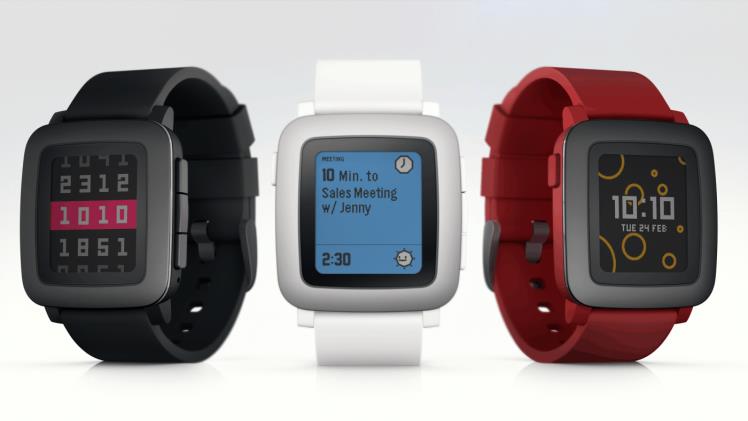
Pebble Watches were ahead of their time, offering features that would later become industry standards. Some of the standout characteristics included:
1. E-Paper Display
One of Pebble’s most defining features was its e-paper display, which provided excellent visibility in bright sunlight and consumed very little power. This gave Pebble a major advantage over other smartwatches that relied on traditional LCD or OLED screens, which drained battery life much faster.
2. Extended Battery Life
Thanks to the efficient e-paper technology, Pebble Watches boasted an impressive battery life of 5-7 days on a single charge. This far exceeded the battery life of many competing smartwatches that required daily charging.
3. Customizable Watch Faces and Apps
Pebble introduced an open ecosystem where developers could create custom watch faces and applications. The Pebble App Store became a hub for third-party apps, ranging from fitness trackers to gaming applications, making Pebble a versatile and highly customizable smartwatch.
4. Cross-Platform Compatibility
Unlike many smartwatches that were locked into specific ecosystems (such as Apple Watch for iOS and Samsung Gear for Android), Pebble supported both Android and iOS devices. This cross-platform compatibility made it a preferred choice for users who valued flexibility.
5. Water Resistance
Pebble Watches were designed to be water-resistant up to 50 meters, allowing users to wear them while swimming or showering—an uncommon feature at the time.
Pebble’s Evolution and Later Models
Following the success of the original Pebble, the company released several upgraded models:
- Pebble Steel (2014) – A premium version of the original Pebble, featuring a sleek stainless steel design.
- Pebble Time (2015) – Introduced color e-paper display and improved processing power.
- Pebble Time Round (2015) – The thinnest and lightest smartwatch at the time, featuring a circular design.
- Pebble 2 (2016) – Focused on fitness tracking, with built-in heart rate monitoring.
The Fall of Pebble and Acquisition by Fitbit
Despite its innovative technology and loyal fan base, Pebble struggled to compete against tech giants like Apple, Samsung, and Garmin, who aggressively entered the smartwatch market with more advanced features and marketing power. In 2016, Fitbit acquired Pebble’s software assets and intellectual property for approximately $40 million, marking the official end of Pebble as an independent brand.
Fitbit integrated some of Pebble’s best features into its own wearable devices but discontinued Pebble’s hardware production. Pebble owners were left with unsupported devices, though an enthusiastic community of developers continued to maintain the Pebble ecosystem through unofficial support channels.
Pebble’s Legacy and Influence on Wearable Tech
Though Pebble Watches are no longer in production, their influence on the wearable tech industry remains undeniable. Some of Pebble’s key contributions include:
1. Pioneering Smartwatch Customization
Pebble was one of the first smartwatches to embrace an open app ecosystem, inspiring companies like Apple and Google to expand app development for their wearable platforms.
2. Battery Efficiency as a Priority
Pebble proved that smartwatches could have week-long battery life without sacrificing core functionality. This approach influenced brands like Garmin, which focused on battery-efficient designs in their smartwatches.
3. Crowdfunding as a Viable Launch Strategy
Pebble demonstrated the power of crowdfunding in the tech industry. Many startups followed suit, using platforms like Kickstarter to validate and fund their projects.
4. Minimalist Yet Functional Design
Pebble’s simple and user-friendly interface set a standard for smartwatch usability. Modern wearables, including Fitbit and Amazfit, have adopted similar streamlined designs.

Conclusion
The Pebble Watch was a revolutionary product that changed the way people viewed wearable technology. It introduced features that were ahead of its time and set a benchmark for future smartwatches. Despite its short-lived success, Pebble’s legacy lives on in modern wearables that continue to incorporate its innovative ideas.
While Pebble may not have survived the intense competition of the smartwatch market, it remains a beloved piece of tech history. Its impact can be seen in today’s devices, from e-paper displays to extended battery life and open software ecosystems. For many tech enthusiasts, the Pebble Watch will always be remembered as the smartwatch that started it all.
