
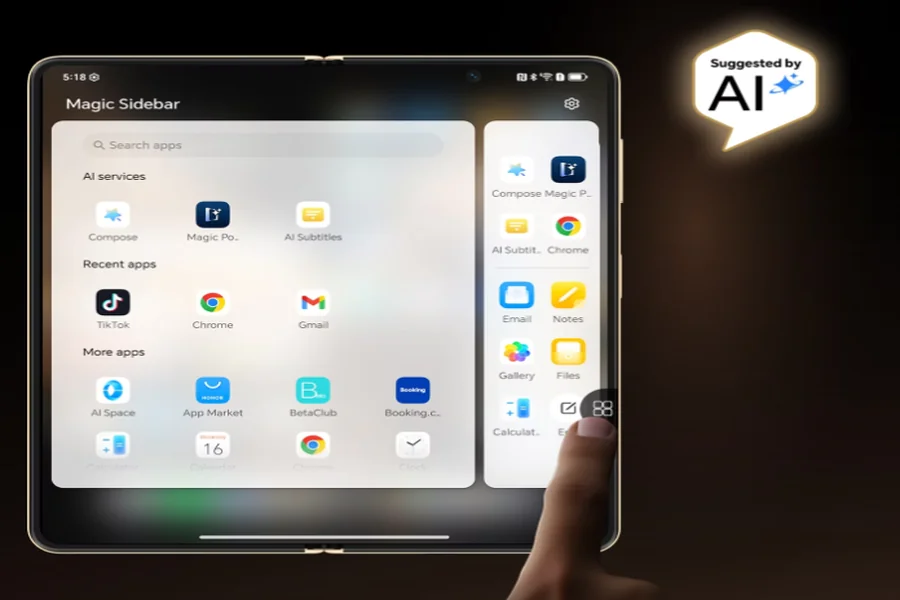
The world of mobile technology has seen remarkable transformations, with foldable phones emerging as the latest innovation. These devices combine the functionality of a smartphone with the versatility of a tablet, offering an expansive display in a compact form. As more companies venture into this domain, understanding the evolution, current challenges, and future trends of foldable phones becomes crucial for tech enthusiasts and consumers alike.
The Evolution of Foldable Phones
Foldable phones first caught the public’s imagination in the early 2010s when flexible display technology was conceptualized. By 2019, major players unveiled their first-generation foldable devices. These early iterations were characterized by their groundbreaking technology but faced criticism for durability and high price points. As time progressed, the second and third generations of foldable phones introduced innovations that improved hinge designs, reduced the display crease, and enhanced overall user experience.The evolution quickly accelerated as companies invested heavily in R&D, addressing initial drawbacks and expanding the market. Today’s foldables boast better displays, longer battery life, and more robust form factors, drawing a clear line from early prototypes to the sophisticated devices available now. This progress not only reflects technological advancements but also increasing consumer appetite for devices that merge productivity with portability.
Engineering & Design Challenges
Durability and hinge mechanisms
Durability remains a focal challenge for foldable phones. Hinge mechanisms, which allow these devices to open and close seamlessly, demand precision engineering. Early models struggled with susceptibility to dust and debris, prompting manufacturers to create more sophisticated hinge systems that offer both resilience and fluid motion.
Display bending, crease, and wear
The bendable display is both a marvel and a challenge. Persistent issues like screen creasing and potential wear from repeated folding have required companies to explore materials that can withstand such stress. Innovative solutions like ultra-thin glass have emerged, though the quest for the perfect crease-free display continues.
Power, thickness, and heat management
Components in foldable phones must fit within thin frames, challenging designers to maintain performance without overheating. Efficient power management systems are crucial as they impact both device thickness and user experience. Manufacturers are pioneering advanced battery technologies to balance sleek designs with prolonged usage.
Real-World Use & Ecosystem Issues
Software optimization and app adaptation
Foldable phones offer unique screen configurations, requiring software optimization to leverage their full potential. App developers need to adapt interfaces to utilize multi-window operations and dynamic display changes. Though progress continues, inconsistent app experiences remain an issue for users.
Battery life vs form factor tradeoffs
The tradeoff between battery life and slim design poses a real challenge for foldable phones. Larger batteries offer longer usage but can contribute to device bulkiness. Companies are experimenting with newer battery technologies to enhance capacity without compromising the streamlined aesthetics of foldable devices.
Case Study: Honor Magic V5 in the Foldable Arena
Key specs and engineering feats
The Honor Magic V5 exemplifies the strides made in foldable tech. It features an impressive 7.95-inch inner screen and a 6.43-inch external screen, offering users vibrant visuals and flexibility. Powered by the Qualcomm Snapdragon 8 Elite Mobile Platform, it includes an octa-core CPU and 16GB+512GB storage, ensuring top-tier performance and ample space.
How it addresses industry pain points
Honor’s device mitigates several industry pain points with its robust design and advanced features. The inclusion of AMOLED displays reduces creasing concerns, and AI-integrated Eye Comfort Technology enhances usability. Its multi-layered hinge system underscores a commitment to durability, while its impressive 5820 mAh battery highlights energy efficiency within a sleek form factor.
Future Trends & What’s Next
Materials, Hinges, and Fold Types
Future trends in foldable phones will focus on deploying new materials that offer higher durability and innovative hinge mechanisms. Expect variations in fold types, such as tri-fold designs, as manufacturers push the boundaries of what’s possible. Emerging materials like ultra-thin glass composites and carbon-infused alloys are expected to improve flexibility and lifespan. These innovations will not only enhance build quality but also contribute to sleeker, lighter devices that maintain structural integrity over thousands of folds, redefining modern smartphone engineering.
AI, Multitasking, and Seamless UI
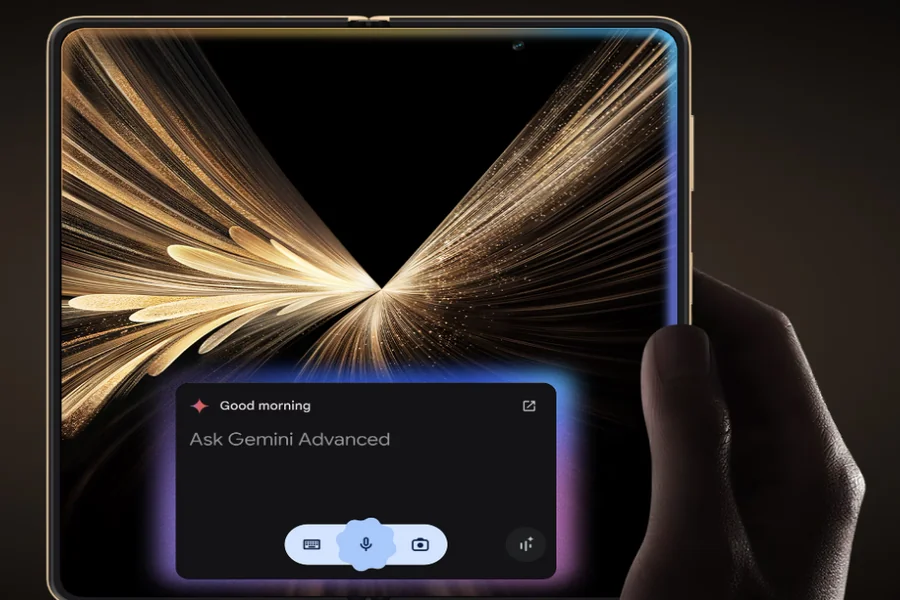
AI integration in foldables will lead to better multitasking and seamless user interfaces. Devices will offer more intuitive, adaptive interactions, enhancing productivity and user satisfaction in unprecedented ways. Advanced machine learning will anticipate user behavior, automatically optimizing layouts and split-screen operations. Voice assistance and contextual adjustments will further personalize device performance, creating a smoother digital experience. As AI becomes more refined, foldable phones will transform into intelligent companions that understand user needs in real time.
Conclusion
Foldable phones represent the intersection of innovative technology and consumer demand for multi-functional devices. While challenges persist in durability, software, and energy management, ongoing advancements position these devices as the future of mobile technology. With pivotal models like the HONOR Magic V5 setting new benchmarks, the foldable phone trend is poised for expansive growth, heralding a promising era of versatile mobile computing. As research accelerates and competition intensifies, consumers can expect more practical, durable, and intelligent foldables that bridge convenience, creativity, and connectivity effortlessly.
