
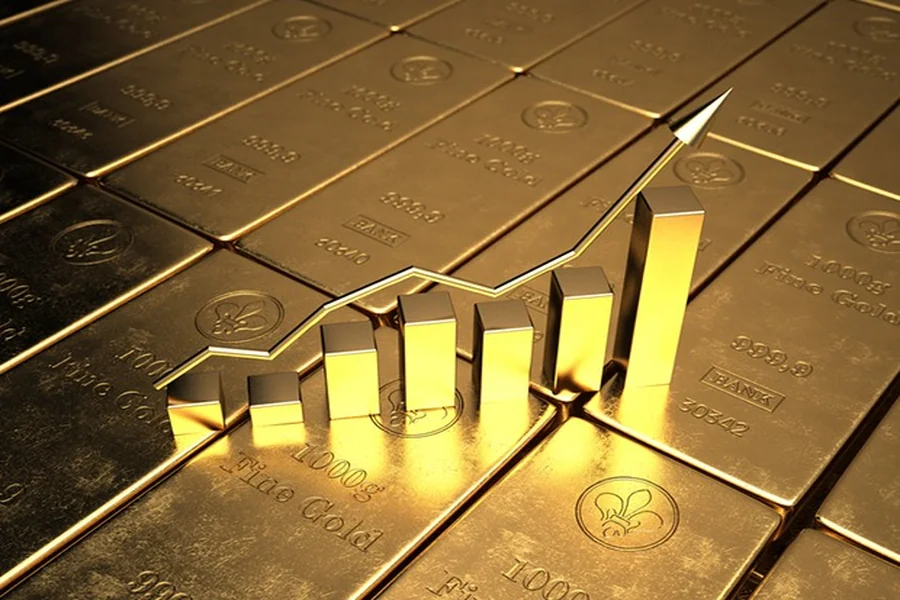
Gold isn’t just a symbol of wealth or tradition in India—it’s a strategic compass in the broader commodity market. As global forces move prices of oil, crops, and metals, gold often reflects the shifts and sentiments shaping these markets. Understanding the connection between the gold rate today and wider commodity trends helps investors make smarter, more balanced decisions.
Gold: The Barometer of Economic Sentiment
Gold is one of the most traded hard commodities in India. What makes it especially significant is its dual nature—it’s both a cultural asset and a financial instrument. Investors turn to gold during economic uncertainty, inflation spikes, or geopolitical disruptions. When gold prices rise, it’s often a signal that broader markets are reacting to instability or risk.
The gold rate today—like the recent ₹1,30,916.60 for 24K gold—doesn’t move in isolation. It responds to macroeconomic triggers that also impact oil, silver, wheat, and other commodities. Inflation expectations, interest rate changes, and currency fluctuations are just a few examples of overlapping influences.
The Chain Reaction Across the Commodity Landscape
A surge in crude oil prices, for instance, often ripples across other markets—including gold. Rising oil costs increase production and transportation expenses, raising inflation. Gold, seen as a hedge against inflation, then tends to follow upward.
Similarly, agricultural disruptions due to climate or trade policy shifts can affect investor confidence. In these cases, money often flows into gold, driving up its price as investors seek safer ground.
Thus, shifts in the commodity market—whether from energy, metals, or agri-commodities—can subtly or significantly impact how gold is valued on any given day.
Futures Trading and the Gold Connection
Commodity trading in India has grown increasingly sophisticated. Most trades happen through futures contracts on platforms like MCX, where prices are speculative and driven by forecasts. Gold futures, in particular, are among the most actively traded, with prices affected by both domestic demand and international cues.
Investors tracking the gold rate today often look at futures data to assess short-term movements. These trends can also give clues about how the overall commodity market might perform, offering insight into potential strategies for diversification or hedging.
Why Gold Remains Central to a Diversified Portfolio
For retail and institutional investors alike, gold offers a stabilizing force. While other commodities may experience abrupt shifts due to harvest failures or policy changes, gold generally maintains long-term value. This stability makes it a preferred choice for mitigating risk.
Moreover, in a high-volatility commodity market, gold allows investors to stay exposed without overcommitting to unpredictable segments like energy or agriculture. It acts as a buffer, often softening the blow during sharp downturns in other assets.
Conclusion: Reading the Market Through Gold’s Lens
Keeping an eye on the gold rate today does more than inform jewelry purchases—it provides insight into the heartbeat of the global and Indian commodity market. From economic fears to currency trends, gold absorbs and reflects many of the pressures facing investors.
In times of uncertainty or change, gold doesn’t just shine—it speaks. For those tuned into the commodity space, it’s one of the clearest signals of what’s ahead.
