
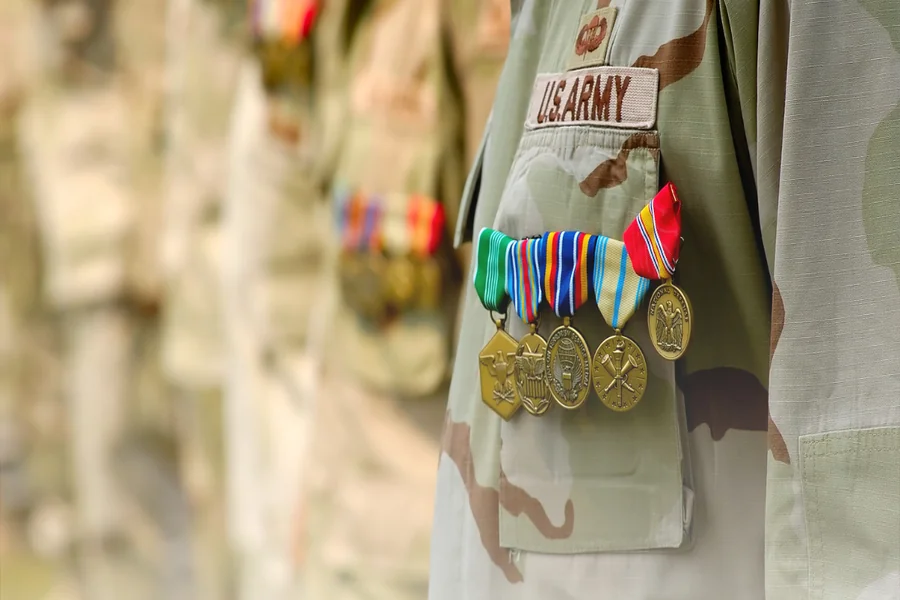
Military medals are more than just decorations. They are symbols of honor, bravery, and dedication that commemorate acts of courage and service rendered in defense of a nation. These medals offer deeper insight into military history and the stories behind individual acts of heroism. For a detailed breakdown of these awards, you can consult a comprehensive military medals chart that illustrates the wide variety of distinctions available to military personnel.
Understanding the meaning of each medal fosters a greater appreciation for the sacrifices made by service members. The tradition of honoring valor and devotion through medals not only preserves military history but also helps families, communities, and future generations remember and learn from the past.
Key Takeaways
- Military medals represent a spectrum of service, spanning wartime valor to meritorious achievements during peace.
- The hierarchy of medals reflects the degree of honor and recognition awarded to individuals and units.
- Learning about these symbols enhances respect for military history and service members’ contributions.
Table of Contents
- History of Military Medals
- Categories of Military Medals
- Notable Military Medals and Their Significance
- The Hierarchy of Military Medals
- Eligibility and Awarding Process
- Wearing and Display of Military Medals
- The Cultural Impact of Military Medals
- Preserving and Collecting Military Medals
History of Military Medals
The practice of recognizing military excellence with medals dates back to ancient civilizations, where tokens or decorations were bestowed on warriors. In the United States, this tradition dates to the Revolutionary War era, when General George Washington created the Badge of Military Merit in 1782. This award laid the foundation for the modern military award system, which today encompasses medals for heroism, achievements, and collective unit accomplishments. As conflicts and military roles evolved, so too did the forms of recognition. Each medal now tells a distinct story about the conflict or service it honors.
Categories of Military Medals
Military medals can be grouped into several major categories:
- Valor Awards: Given for acts of courage and gallantry during combat operations.
- Meritorious Service Awards: Awarded for exemplary, non-combat-related achievements and leadership.
- Campaign and Service Medals: Issued for participating in specific operations or serving during certain time periods.
- Unit Awards: Bestowed upon entire military units that exhibit exemplary performance, unity, or bravery.
Notable Military Medals and Their Significance
Some medals stand out as the highest honors in military service. Here are a few of the most significant:
- Medal of Honor: The most prestigious American military award. It is presented for acts of valor in combat that go above and beyond the call of duty
- Distinguished Service Cross: Recognizes soldiers who exhibit extraordinary heroism.
- Silver Star: Awarded for acts of gallantry against an enemy.
- Bronze Star: Honors acts of heroism, achievement, or service in combat.
- Purple Heart: Presented to those wounded or killed in action.
These medals remain a cornerstone of military culture, often represented in ceremonies, museums, and educational resources.
The Hierarchy of Military Medals
Each military branch maintains a strict hierarchy, or order of precedence, for medals. Valor awards such as the Medal of Honor occupy the highest tier, followed by other decorations for heroism, meritorious service, and finally campaign and unit awards. This hierarchy is reflected not only in records but also in how service members wear medals on uniforms and how they are displayed publicly.
Eligibility and Awarding Process
The process to receive a military medal involves meeting well-defined criteria. Valor awards require first-person witness accounts, substantiated action reports, and endorsements from superior officers. Meritorious service medals often require a sustained period of outstanding performance, documented by commanding officers. All recommendations undergo a thorough review process within a chain of command to ensure accuracy and fairness.
Wearing and Display of Military Medals
Military regulations govern the wearing and display of medals. Typically, medals are pinned on the left side of the uniform, with the highest honors closest to the heart. Veterans may display medals on civilian clothing during certain events, such as national holidays or memorial services, to honor their service or the service of others. Prescribed arrangements also guide the mounting of medals in display cases or shadow boxes for long-term preservation.
The Cultural Impact of Military Medals
Military medals are visible symbols of service and sacrifice. Ceremonies such as medal presentations preserve their meaning and connect recipients to the historical legacy. The stories of medal recipients can inspire unity, gratitude, and patriotism throughout society. Media coverage and public exhibitions, like those curated by the Smithsonian’s National Museum of American History, deepen public knowledge of the military and its traditions.
Preserving and Collecting Military Medals
Family members, historians, and collectors often preserve military medals as cherished heirlooms or museum pieces. Proper preservation involves protection from moisture, sunlight, and excessive handling to prevent corrosion and deterioration. Collecting medals can also be a meaningful hobby, drawing collectors into the study of military history, genealogy, and the legacy of national service. Cataloging and caring for these artifacts ensures that acts of valor and stories of dedication endure for generations.
By learning about military medals, individuals can appreciate the breadth of dedication, sacrifice, and service they represent. These awards not only commemorate individual and collective achievements but also serve to protect the memory of those who have shaped history with their bravery.
