
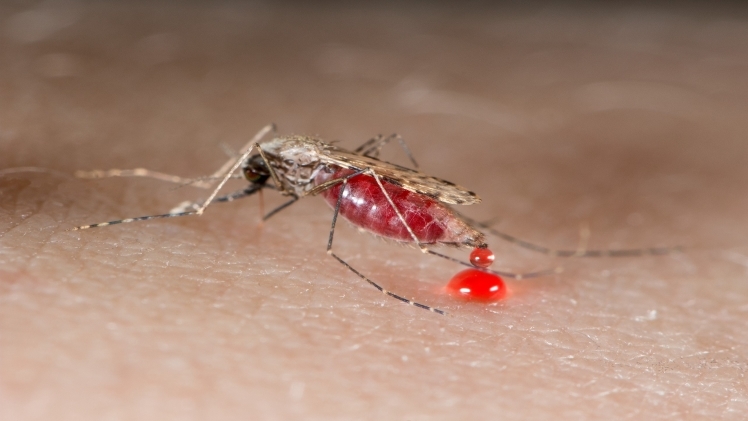
Malaria is a serious and often life-threatening disease caused by parasites that are transmitted to humans through the bites of infected female Anopheles mosquitoes. Understanding how malaria spreads is crucial for both preventing and controlling this disease. In this article, we will explore the key facts about malaria transmission and provide valuable insights into how the disease propagates.
The Malaria Parasite and Its Life Cycle
Malaria is caused by Plasmodium parasites. There are five species of Plasmodium that can infect humans:
- Plasmodium falciparum: The most dangerous and widespread species, responsible for the majority of malaria-related deaths.
- Plasmodium vivax: Known for causing recurrent infections due to its ability to remain dormant in the liver.
- Plasmodium ovale: Similar to P. vivax, it can cause recurrent infections.
- Plasmodium malariae: Causes milder symptoms and can lead to chronic infection.
- Plasmodium knowlesi: Primarily found in Southeast Asia and can cause severe illness in humans.
The life cycle of the malaria parasite involves two hosts: the Anopheles mosquito and humans. Understanding this life cycle is key to comprehending how malaria spreads.
Transmission through Mosquito Bites
Malaria is primarily spread through the bites of female Anopheles mosquitoes. These mosquitoes become infected when they bite a person who has malaria. The parasites develop inside the mosquito and are later transmitted to other humans through subsequent bites.
The Mosquito’s Role
- Infection of the Mosquito: When a female Anopheles mosquito bites an infected person, it ingests blood containing malaria parasites. The parasites then develop inside the mosquito over 10 to 18 days.
- Transmission to Humans: Once the parasites are mature, they migrate to the mosquito’s salivary glands. When the mosquito bites another person, it injects saliva containing the parasites into the bloodstream, thus transmitting the infection.
Human-to-Human Transmission
While the primary mode of malaria transmission is through mosquito bites, there are other ways in which the disease can spread from one person to another:
- Blood Transfusions: Malaria can be transmitted through blood transfusions if the donated blood contains malaria parasites.
- Organ Transplants: In rare cases, malaria can be transmitted through organ transplants.
- Shared Needles: Malaria can be spread through the sharing of needles contaminated with infected blood.
- Congenital Malaria: A pregnant woman can pass the malaria parasite to her unborn child before or during delivery, resulting in congenital malaria.
Environmental and Geographical Factors
The transmission of malaria is influenced by several environmental and geographical factors. Understanding these factors helps in identifying high-risk areas and implementing effective control measures.
Climate and Seasonality
Temperature: Malaria transmission is most efficient in warm climates where Anopheles mosquitoes can thrive. The parasite’s development within the mosquito is faster at higher temperatures.
Rainfall: Heavy rainfall creates ideal breeding grounds for mosquitoes, such as stagnant water pools. Consequently, malaria transmission often peaks during and after the rainy season.
Geographical Distribution
Malaria is predominantly found in tropical and subtropical regions, including parts of Africa, Asia, Central and South America, and the Middle East. Sub-Saharan Africa bears the highest burden of malaria cases and deaths, largely due to the widespread presence of the highly efficient malaria vector, Anopheles gambiae.
Preventive Measures and Control Strategies
Given the mode of malaria transmission, various preventive measures and control strategies are essential to reduce the spread of the disease:
Vector Control
- Insecticide-Treated Bed Nets (ITNs): Sleeping under insecticide-treated bed nets significantly reduces the risk of mosquito bites and malaria transmission.
- Indoor Residual Spraying (IRS): Spraying insecticides on the walls and ceilings of homes kills mosquitoes that come into contact with treated surfaces.
Personal Protective Measures
- Mosquito Repellents: Applying mosquito repellents on exposed skin can prevent mosquito bites.
- Protective Clothing: Wearing long-sleeved shirts and long pants, especially during peak mosquito biting times (dusk and dawn), reduces the risk of being bitten.
Prophylactic Medications
- Antimalarial Drugs: People traveling to malaria-endemic areas are often prescribed antimalarial medications to prevent infection.
Global Efforts and Research
Global efforts to control and eliminate malaria involve international organizations, governments, and research institutions. Innovations in malaria prevention, diagnosis, and treatment are continually being developed. The World Health Organization (WHO) and other organizations are working towards the goal of malaria eradication through comprehensive strategies including improved surveillance, better access to healthcare, and community education.
Conclusion
Understanding how malaria spreads is fundamental to preventing and controlling this deadly disease. By recognizing the role of mosquitoes in transmission, the environmental factors that influence its spread, and the various ways in which humans can transmit the disease, we can implement effective measures to reduce the impact of malaria. Continued global efforts and research are essential to achieving the ultimate goal of malaria eradication.
